

Side Effects of Exosome Therapy: Safety, Risks & What to Expect
For individuals considering modern medical aesthetic procedures—particularly those trying advanced skin rejuvenation therapies for the first time—the potential side effects of exosome therapy are often a primary concern.
It is entirely natural for patients to approach exosome therapy with caution. Any novel therapy or biologically active treatment inevitably raises questions regarding safety. However, in clinical and aesthetic practice, truly serious adverse reactions are extremely rare. Most patients experience only mild, transient reactions, such as slight redness or skin sensitivity.
These reactions are typically short-lived and are considered a natural physiological response to the regenerative stimulation. As exosome therapy becomes increasingly popular, understanding its safety profile helps patients approach treatment with confidence and realistic expectations.
Got questions? Feel free to drop us a message anytime.
How Does Exosome Therapy Work?
To understand the side effects of exosome therapy, it is first important to understand what exosomes are and how they function in the body.
Exosomes are naturally derived extracellular vesicles that act as biological messengers between cells. They play a key role in cell-to-cell communication and tissue repair by carrying essential bioactive molecules such as proteins, lipids, and genetic signals.
In clinical applications, exosome therapy works by delivering these concentrated signaling messengers to targeted areas of the body or skin. Once delivered, they help activate the body’s natural regeneration processes that encourage the body to repair itself more efficiently and in a more organized way.
Benefits vs Safety Profile of Exosome Therapy
Exosome therapy is widely recognized in aesthetic medicine for its strong regenerative potential, with skin rejuvenation currently being its most established and clinically mature application area.
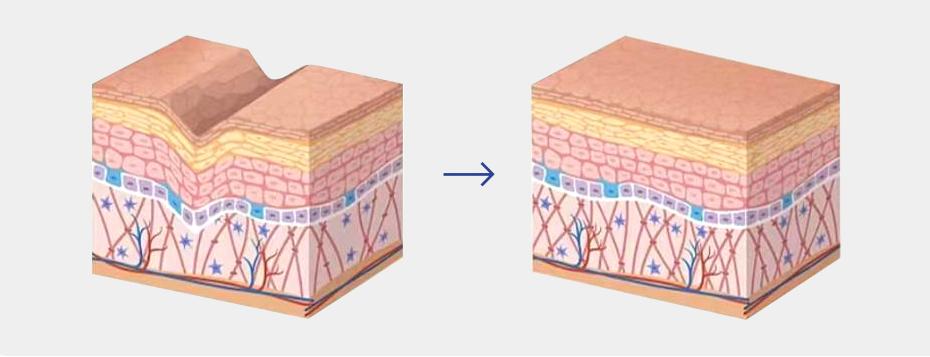
In particular, its use in combination with procedures such as microneedling has become increasingly common in modern dermatology and aesthetic clinics. This combination enhances treatment outcomes by pairing controlled dermal stimulation with exosome-driven biological signaling, supporting improved collagen production, faster recovery response, and more consistent skin quality improvement.
From a clinical perspective, this synergy has made exosome-based protocols a popular choice in skin regeneration treatments, as they offer visible improvements in texture, elasticity, and overall dermal health.
However, as with any biologically active treatment, considerations related to side effects and safety profile should also be taken into account. While most patients experience good tolerance and minimal discomfort, understanding potential reactions and influencing factors is essential before treatment.
This is why it is important to further examine what affects the safety of side effects of exosome therapy.
What Affects the Safety of Side Effects of Exosome Therapy
The safety and outcome of side effects of exosome therapy are influenced by several important factors:
1. Product Quality and Source
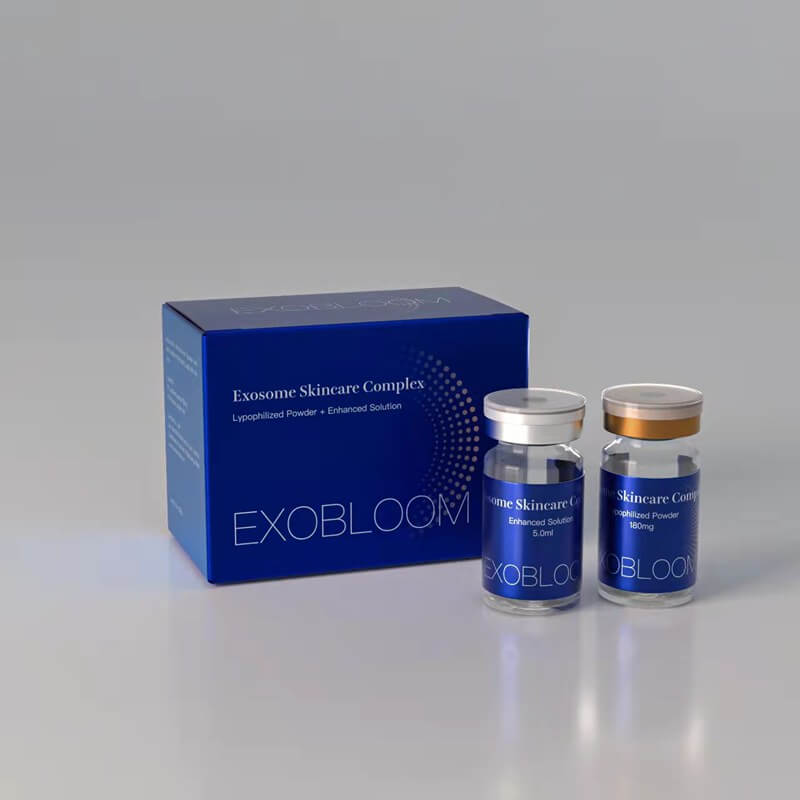
The origin and processing of exosomes are critical. Animal-derived and plant-derived sources may differ in consistency and safety profiles, with plant-derived systems such as EXOBLOOM® often selected in clinical settings due to controlled sourcing and formulation stability.
High-quality exosome products must undergo strict filtration, purification, and sterility testing. The therapeutic outcome depends heavily on donor cell source, manufacturing methods, and isolation technology.
Patients are encouraged to discuss sourcing, sterility standards, and quality control procedures with qualified providers before treatment.
2. Regulatory Environment
In many regions, exosome-based products used for aesthetic or therapeutic purposes are still under evolving regulatory frameworks and may not yet be formally approved as medical drugs.
Therefore, it is important that treatments are performed in professional clinical environments using materials sourced from reputable and compliant laboratories.
3. Patient Medical History
Individual health conditions also influence safety outcomes. Patients with active infections, autoimmune conditions, cancer history, or immune-related disorders should consult a healthcare professional before undergoing exosome-based treatments.
Treatment Process Overview
Exosome therapy is typically performed in a clinical or aesthetic setting, often combined with procedures such as microneedling or laser treatments.
Taking EXOBLOOM® exosome skincare as an example, the process involves preparing the skin, applying or delivering exosomes to targeted areas, and supporting post-treatment recovery. The procedure is generally well tolerated and minimally invasive.
From a clinical perspective, patients may begin to notice initial skin improvements within 3–7 days, with more visible results developing over 2–3 weeks, and optimal stabilization typically achieved within 1–2 months. The effects can generally last around 2–4 months, depending on individual skin condition and treatment protocol.
Common and Expected Reactions
Most reactions associated with side effects of exosome therapy are mild and temporary.
These may include slight redness, mild swelling, or sensitivity, which are consistent with low-level immune activation and indicate that the skin is responding to biological stimulation.
In most cases, these effects resolve naturally within a short period without medical intervention. Rest, hydration, and gentle skincare are usually sufficient for recovery.
A significant number of patients report no noticeable side effects at all and are able to return to normal daily activities immediately after treatment.
Rare but Serious Risks
Serious complications related to side effects of exosome therapy are extremely rare but can occur if the product quality or clinical protocol is not properly controlled.
Risks can be minimized by:
- Choosing certified clinical providers
- Ensuring sterile and high-quality exosome sources
- Following proper treatment protocols
Professional handling and standardized preparation significantly reduce potential risks and improve overall safety outcomes.
Who is not suitable for exosome therapy?
To minimize the risk of severe side effects, the following individuals should generally avoid exosome therapy:
1. Individuals with active infections or acute inflammation
2. Individuals with severe autoimmune diseases
3. Individuals with a history of certain cancers (consult a physician)
4. Individuals with known allergies to biological products
It is recommended to undergo a professional medical assessment before receiving treatment.
Conclusion
Overall, side effects of exosome therapy are typically minimal, temporary, and manageable. When properly sourced and clinically applied, exosome-based treatments represent a promising approach in modern regenerative aesthetics.
Our company is committed to providing high-quality exosome skincare solutions with strict production standards, reliable sourcing, and professional technical support for clinics and partners worldwide.
We ensure consistency, safety, and clinical compatibility across all EXOBLOOM® product systems, helping practitioners deliver more predictable and effective aesthetic outcomes.

FAQ
Is exosome therapy safe?
Yes, when performed in a professional clinical setting using high-quality materials, it is generally well tolerated.
Take EXOBLOOM® as an example: it utilizes carefully selected plant-derived exosomes designed to support skin revitalization and regeneration. Advanced purification and aseptic manufacturing further ensure high safety and excellent skin compatibility, making it suitable even for sensitive or post-procedure skin.
If you would like more details about EXOBLOOM® or its clinical applications, you can contact us for further information or professional guidance.
Can side effects appear later?
As a relatively new regenerative technology, exosome therapy still requires ongoing long-term clinical observation. However, based on current scientific understanding, delayed side effects are considered unlikely.
Exosomes are non-living biological messengers that cannot replicate or permanently integrate into tissues. After delivering their signaling payload, they are naturally broken down and cleared by the body.
This transient activity means exosome-based treatments are generally associated with a low risk of long-term accumulation or delayed adverse effects, supporting a favorable safety profile in aesthetic applications.
How many exosome treatment sessions are required?
Exosome therapy is not a one-time fix. As we age and face daily stressors, the body continues to undergo the aging process; without ongoing exosome support, issues such as wrinkles, facial sagging, and hair loss may persist. Therefore, during your consultation, our specialists will design a personalized treatment plan for you. This typically includes an initial series of sessions followed by regular maintenance treatments. By adhering to the prescribed regimen, you can expect to achieve your desired regenerative results.
Can I still donate blood after the treatment?
Generally, you cannot donate blood after undergoing exosome therapy. This is a standard precautionary measure established by blood donation organizations. If you are a regular blood donor, we recommend discussing this matter thoroughly with our specialists during your consultation.
If you have any questions, please feel free to send us a message.
